Nigiri is a slice of fish pressed onto a finger of seasoned rice; sashimi is the same fish served with no rice at all. Maki is rice and filling rolled in nori. In Carrollton, nigiri is $4.99 to $7.99 for two pieces and sashimi is $8.99 to $9.99 for three, and a twelve-piece sashimi combo with a California roll is $31.99.
Nigiri, sashimi, maki — three words that get used interchangeably and really shouldn't be. The difference between them is simple once it clicks, and knowing it makes ordering far less daunting. If you've ever hesitated over a sushi menu in Carrollton, here's the clear version: what each one is, why one of them isn't technically sushi at all, and how to eat each so it tastes the way it's meant to.
A slice of fish hand-pressed onto a small mound of vinegared rice, sometimes with a dab of wasabi between the two. It's sushi in its most elemental form — fish and rice, and little else.
Slices of fish or seafood served entirely on their own, with no rice at all. With nothing else to lean on, sashimi lives or dies on the quality of the fish and the knife work behind it.
Rice and fillings rolled inside a sheet of nori and cut into rounds — the familiar "roll." Maki is the most flexible of the three, from a single cucumber strip to a stacked specialty roll.
Here's the twist that surprises a lot of people: the word "sushi" doesn't mean raw fish at all — it refers to the seasoned, vinegared rice. That's why nigiri and maki, which are built on that rice, are sushi, while sashimi, which is just sliced fish with no rice, technically isn't sushi at all. It's a small distinction, but it quietly explains the whole menu: if it has the rice, it's sushi; if it's only the fish, it's sashimi. And raw versus cooked doesn't enter into it — plenty of sushi is fully cooked.
Each form has its own rhythm. Nigiri is traditionally eaten in a single bite, and it's perfectly fine to use your fingers; if you dip it, turn it over and touch only the fish to the soy sauce, so the rice doesn't crumble or turn salty. Sashimi is eaten with chopsticks, with soy sauce and a little wasabi added to taste — go gently, so the seasoning supports the fish rather than burying it. Maki is the most casual: one piece at a time, chopsticks or fingers, a light dip if you like. Across all three, the pickled ginger is a palate cleanser between different fish, not a topping to pile on.
If you're still finding your footing, nigiri is a friendly middle ground — you taste the fish clearly, but the rice softens the experience. Sashimi is for when you want the fish and nothing else, and it's the best way to judge how fresh and well-handled it is. Maki, especially a cooked or vegetable roll, is the gentlest entry point and the easiest to share. A great order often uses all three: a roll or two for the table, a few nigiri to explore, and a little sashimi when something looks especially good that day.
At Mizunoya, the Chef's Nigiri is the easiest way to taste the day's best work — nine pieces of the freshest cuts, with a California roll alongside. From there you can branch into rolls, or ask what's looking especially good as sashimi. You can see the full selection on our menu.
The three formats are priced differently because they carry different amounts of fish, and the difference is larger than the menu suggests. Working it out once makes ordering for a table far easier than guessing.
A slice roughly 7cm by 3cm over 15 to 20g of rice. Two pieces of salmon or tuna are $6.99 here, so a piece is about $3.50 and roughly half of what you eat is rice.
Cut thicker because nothing is supporting it, and sold in threes rather than twos — $8.99 for salmon or tuna, about $3.00 a piece. Sashimi looks like the expensive line on the menu and is in fact the better value, because you are paying for fish instead of rice.
The 12-piece sashimi combo is $31.99 with a California roll, about $2.67 a piece of fish. The $32.99 sushi and sashimi combo gives 6 nigiri, 6 sashimi and a California roll, which is the widest spread on the menu for one order.
Three sashimi orders across three cuts is nine pieces; add two rolls and four people eat for a little over forty dollars. Rolls fill people up; nigiri and sashimi are what they will remember.
A chef places roughly a gram of wasabi between the fish and the rice as the piece is formed. The mound on the plate is there for sashimi and for people who want more. Stirring it into the soy dish is the one habit that reliably annoys a sushi counter.
The three formats differ in exactly one way that matters: how much rice is involved. That single difference changes the price, the portion, and how you are meant to eat the piece in front of you.
| Format | Rice? | Price | Eat it |
|---|---|---|---|
| Nigiri (握り) | Yes — a pressed finger of rice | $4.99 – $7.99 / 2 pcs | Fish-side down into the soy |
| Sashimi (刺身) | No — fish only | $8.99 – $9.99 / 3 pcs | Straight from the plate |
| Maki (巻き) | Yes — rolled with nori | From $5.99 | One piece at a time |
| Sashimi Combo | No | $31.99 / 12 pcs | Chef's choice, plus a California roll |
| Sushi & Sashimi Combo | Both | $32.99 | 6 nigiri, 6 sashimi, 1 roll |
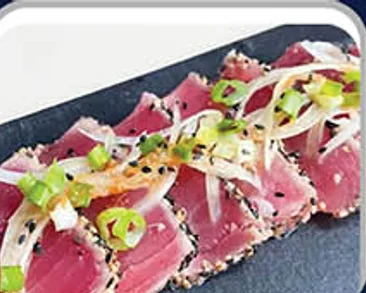
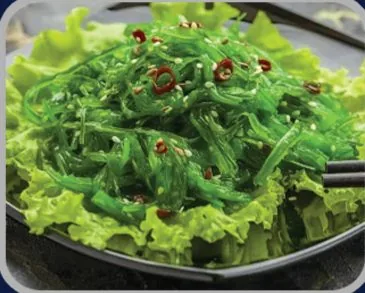
There is no ceremony required, but a few habits make the fish taste better and stop the rice falling apart in the soy dish. These four steps cover nigiri, sashimi and maki in one pass.
Dip the fish, not the rice. Rice soaks soy like a sponge and falls apart in the dish.
No rice means nothing to hold it together — a light touch of soy is all it needs.
The chef has usually already put a trace between the fish and the rice.
Pickled ginger is a palate cleanser between cuts, not a topping.
Food-safety and sourcing statements on this page follow the guidance below. Texas food establishments are also required to operate under state retail food rules, and staff handling raw fish are certified food handlers under those rules.
Carrollton and the wider North Dallas area are full of sushi counters, and the difference between nigiri, sashimi, and maki is the quickest way to read one. Order a little of each, notice the rice and the cuts, and you'll soon know what you like. We'd love to have you in once we open.
Mizunoya — Japanese Kitchen
1025 W Hebron Pkwy #156, Carrollton, TX 75010
Open daily except Tuesday