The best sushi in North Dallas is judged on four things: rice served at body temperature and properly seasoned, fish with a clean translucent grain, a focused menu with a real nigiri list, and a counter cutting to order. A $6.99 California roll and $6.99 nigiri will tell you all four.
"Best" is a personal word when it comes to sushi — your favorite spot and someone else's might be a block apart. So rather than hand you a list, this guide hands you a lens: the handful of things that reliably separate a great sushi experience from a forgettable one, so you can judge for yourself. Mizunoya is based in Carrollton and serves the wider North Dallas area, and these are exactly the standards we hold ourselves to.
It starts and ends with the fish. Look for vibrant, even color, a clean ocean smell rather than a strong fishy one, and a firm texture. Brisk turnover and a busy counter are good signs — fish that moves is fish that stays fresh.
A strong menu covers the bases — nigiri, sashimi, and maki — with a mix of classic and specialty rolls and some cooked options for the table. Broad enough to explore, focused enough to do each thing well.
Sushi is half rice, and a careful kitchen shows it: rice that's seasoned, at the right temperature, and tender without being mushy. If the rice is an afterthought, the rest usually is too.
Notice how the fish is handled, how clean the space is, and whether the staff can answer a question about what's good today. Attention behind the counter tends to show up on the plate.
The checklist gets you to a good table; your own palate takes it from there. Order a couple of nigiri or a little sashimi the first time — they're the clearest read on freshness and knife work — then branch into a roll or two. Notice the rice, the temperature, the balance of a specialty roll. Pay attention to how you feel about the place, not just the food: a counter that welcomes questions and takes pride in the day's fish is usually one worth coming back to. "Best" is just the spot that keeps earning your return.
Mizunoya sits in Carrollton, within easy reach of the wider North Dallas area, and the points above are exactly how we think about our own sushi: fish handled with care, a menu with room to explore — from approachable rolls to a chef's nigiri selection — and seasoned rice that gets the attention it deserves. If you're weighing your options across the area, we'd simply ask you to hold us to the same standard. You can see the full lineup on our menu.
Price is a weak signal on its own and a strong one when you know what drives it. In a suburban market like North Dallas the spread between a cheap roll and an expensive one is mostly labour and topping count, not fish quality.
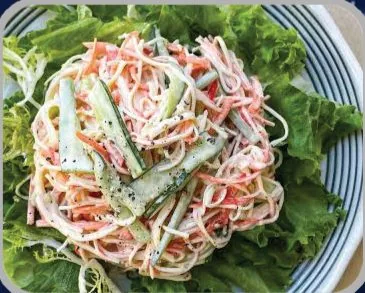
A $6.99 California roll is crab stick, cucumber and avocado — inexpensive ingredients, quick to make. The price reflects the contents, not the standard of the kitchen. It is still the best thing to judge knife work on.
The gap from $5.99 to $16.99 buys a second fish on top, a sauce, a garnish and several more minutes of a chef's time. It does not buy better rice, and rice is what separates kitchens.
Two pieces of salmon at $6.99 is fish, rice and nothing to hide behind. If a menu prices nigiri far below the rolls, the kitchen is competing on volume; far above and it is buying better fish. Either tells you something.
Fish that moves is fish that is fresh. A quiet room at 7pm on a Friday is a worse sign than any price on the menu, and a busy counter is worth more than a long list of specials.
Shari is held near body temperature, around 36°C, because that is where the vinegar reads and the grains stay separate. Straight from a fridge at 4°C the rice is dense and the fish is muted. It is the single most common shortcut.
Sushi rice is seasoned with vinegar, sugar and salt while still hot and fanned as it is folded, which sets the surface and stops it turning to paste. A kitchen that skips the fanning produces rice that clumps — visible before you taste it.
Count them. A menu with forty rolls and four nigiri is a kitchen built around sauce and assembly. Nigiri is where fish quality has nowhere to hide, and two pieces from $4.99 is the cheapest test you can run on any sushi bar.
A counter that can answer without checking a printout is a counter that unpacked the delivery. It is the fastest read on a kitchen you have never visited, and it costs nothing to ask before you order.
Judging a sushi bar takes about ninety seconds once you know where to look. These five checks are the ones that correlate with a good meal, and none of them require you to be an expert.
| Check | Good sign | Warning sign |
|---|---|---|
| The rice | Body temperature, seasoned, holds shape | Cold, dense, falls apart |
| The fish | Translucent, clean grain, no smell | Flat opaque red, liquid pooling |
| The menu | Focused; a real nigiri list | Sixty rolls and four nigiri |
| The counter | Chef cuts to order | Trays pre-made under film |
| The turnover | Busy at peak; fish moves | Empty at 7pm on a Friday |
The fastest way to judge a sushi restaurant is to order the plainest thing on the menu, because there is nowhere for a plain order to hide. Four steps, roughly twenty dollars.
Two pieces are $6.99 here. Rice and fish, nothing else to distract you.
It should be seasoned and just warm. Cold, unseasoned rice tells you the rest.
A $6.99 California roll shows knife work and how tightly they roll.
Chef special rolls run $11.99 to $16.99. Sauce covers a lot, so test them last.
Food-safety and sourcing statements on this page follow the guidance below. Texas food establishments are also required to operate under state retail food rules, and staff handling raw fish are certified food handlers under those rules.
The only real way to find your best sushi is to taste a few and trust what keeps you coming back. Bring the checklist, start simple, and let the fish do the talking. We'd love to be one of your stops in the North Dallas area once we open in Carrollton.
Mizunoya — Japanese Kitchen
1025 W Hebron Pkwy #156, Carrollton, TX 75010
Open daily except Tuesday